

Last week I kicked off a countdown of my favorite birds species (the ones I’ve seen and photographed in the wild). This is Part 2, detailing my Top Five birds. And yes, I’m cheating right off the bat…
(TIE) 4) Short-eared Owl

What a cop-out. A tie?! Sorry, I tried to separate Numbers 4 and 5, but kept finding reasons to flip them.
First, let’s go with the Short-eared Owl. Yes, finally an owl on this list! Look, there are a lot of other owls I had to consider, but which ultimately didn’t quite pass muster. Some of my other favorites? The Southern White-faced Owl, the Pel’s Fishing Owl, the Crested Owl…

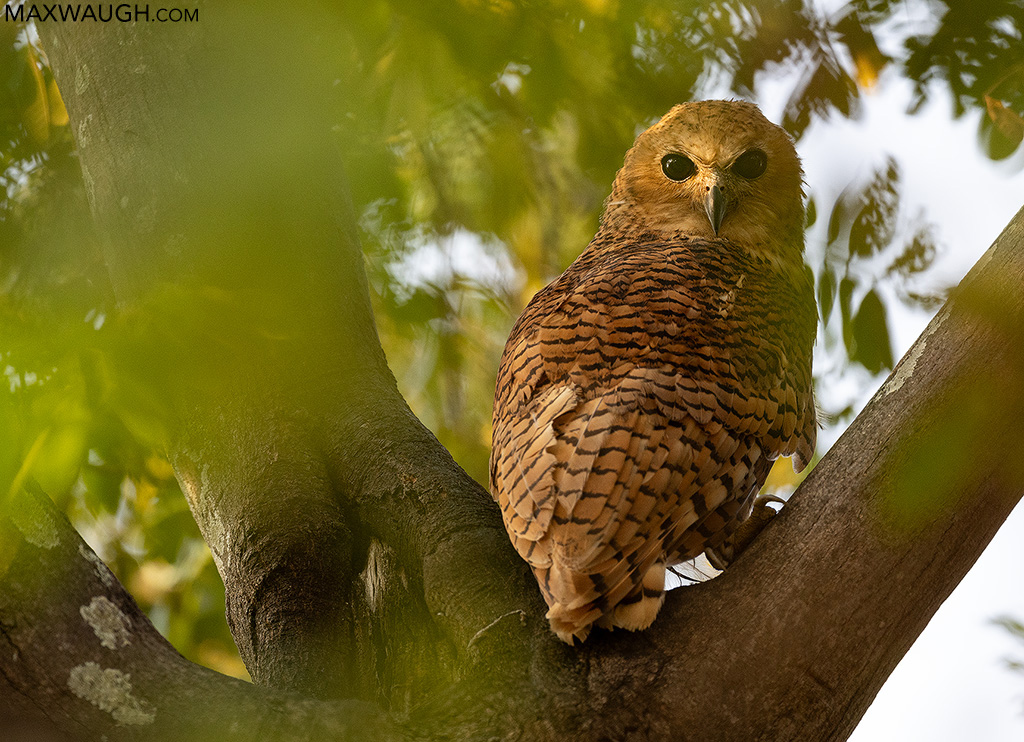

…all super cool looking and dynamic in their own way. Of course, one of the things that I like about owls is that they’re mysterious and often quite elusive in their (usually) forest homes. That doesn’t describe the Short-eared Owl.
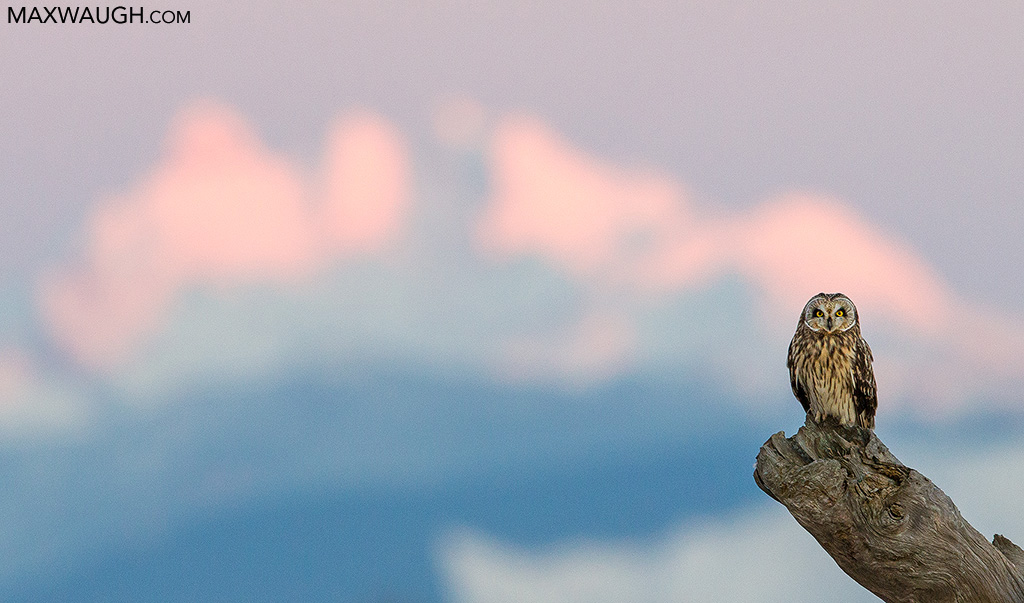
Shorties are grassland and wetland birds, and when they show up in wintering grounds, there are often a lot of them. Hardly elusive. So what do I love about them? Well, they are a “local” bird for me. I’ve spent a lot of time in the past photographing Short-eared Owls in the farmlands and coastal grasslands an hour or so north of Seattle. So yes, it’s a very familiar subject.

But this also happens to be one of the best “Birds in Flight” subjects to work with. Most owls are the subject of perched shots like the other species above. Not Shorties. If anything, Short-eareds are mostly about that action. They are constantly on the move, circling with that telltale steady and somewhat slow flap, dipping and diving occasionally… then coming back up (when they don’t catch something, which is often). And the cycle repeats itself. If such hunting passes come close to you, there’s an excellent opportunity to photograph them in flight.
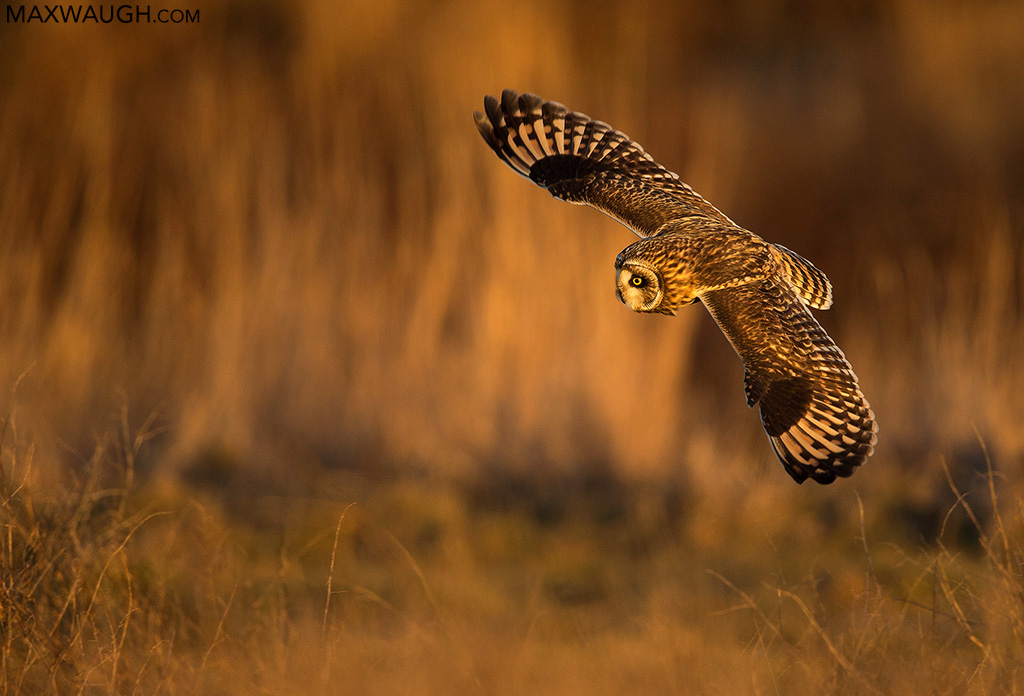
And often you do luck into an owl that doesn’t mind your presence. One of my favorite experiences is standing still on the edge of the hunting grounds and waiting for an owl to swoop and dip closer and closer.
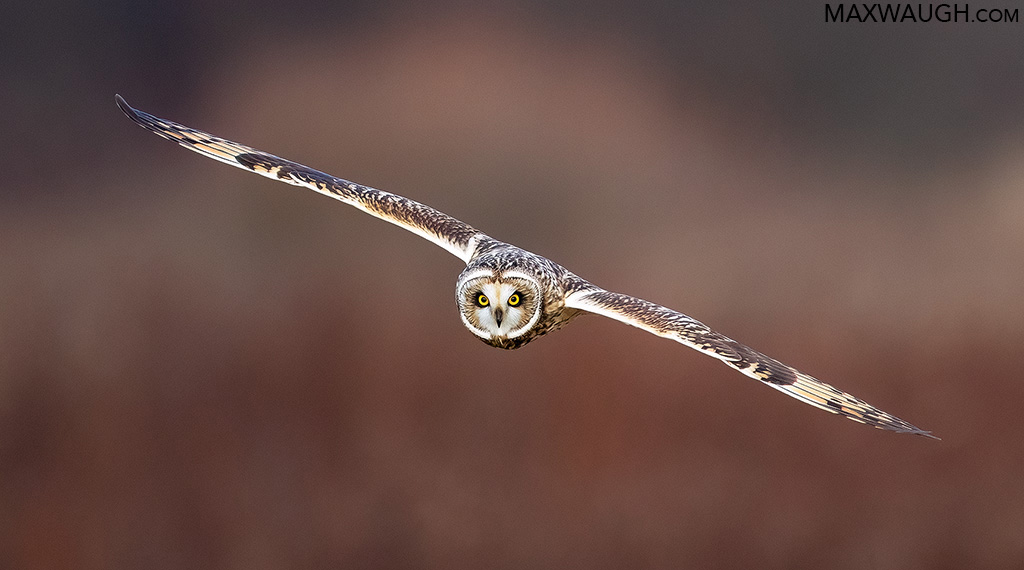
This shot, taken during an early foray to Skagit Valley, remains my favorite owl photo.
(TIE) 4) Common Raven

Ravens mate for life. They may stick together for decades.
Alongside the Short-eared Owl I place the Common Raven. This bird, along with our ubiquitous American Crow, is taken for granted. It’s not really that pretty, certainly doesn’t possess bright colors or cute, rounded features. It’s a dumpster diver, and as a scavenger that’s often seen around carcasses and refuse (sometimes poop, as below), is often described in derisive tones.

I think ravens are sturdy, and buff, and often quite handsome. In the right light, their plumage has an almost metallic sheen, and when they puff themselves up, it looks like armor.


Like the Harlequin Duck, I devoted a full post to these birds some time ago. They are social creatures, building long-lasting relationships as mating pairs, but also finding a way to interact with (and take advantage of) other species.


And of course, ravens are brilliant. They possess an extensive vocabulary, and are particularly adept at figuring out how to access food in some of the least accessible places imaginable.

So no wonder I have this alongside an owl. To honor my #4 pair, here’s a scene featuring the two together!

3) Guianan Cock-of-the-rock
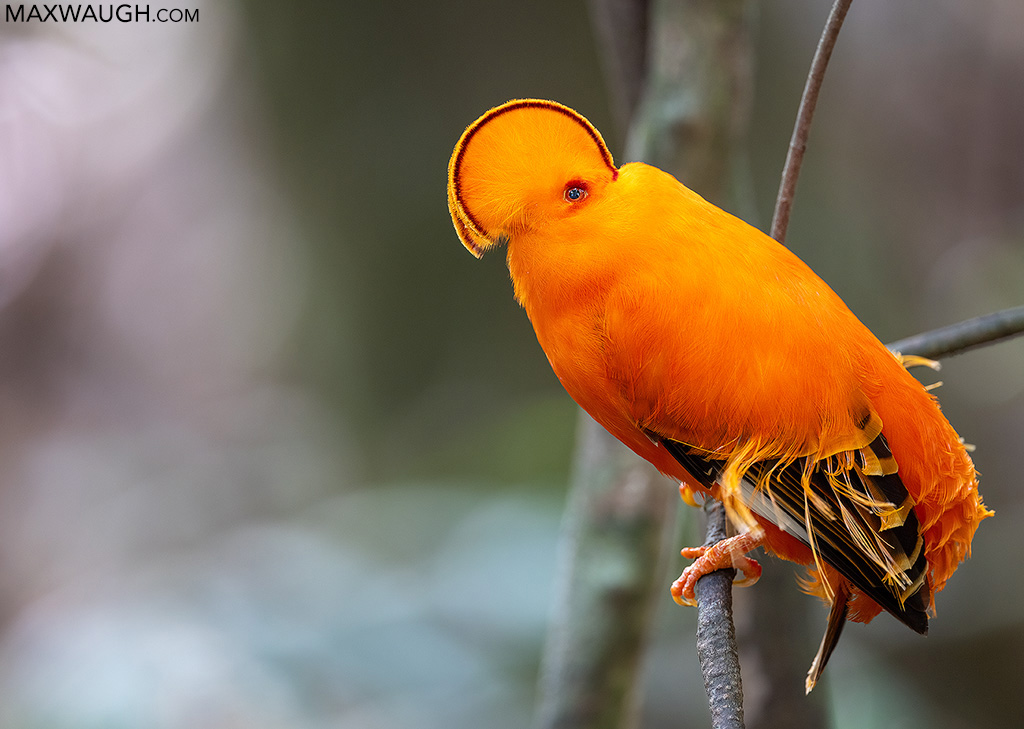
I wasn’t sure if I could rank a new bird this high. But this one is just bonkers, and has too much character to ignore! Who designed this thing, anyway?
So yeah, the Cock-of-the-rock. A unique and amusing name, but most folks are more familiar with the Andean Cock-of-the-rock. I photographed that species in Peru back in 2012, though I never had much luck with the brightly-colored males.
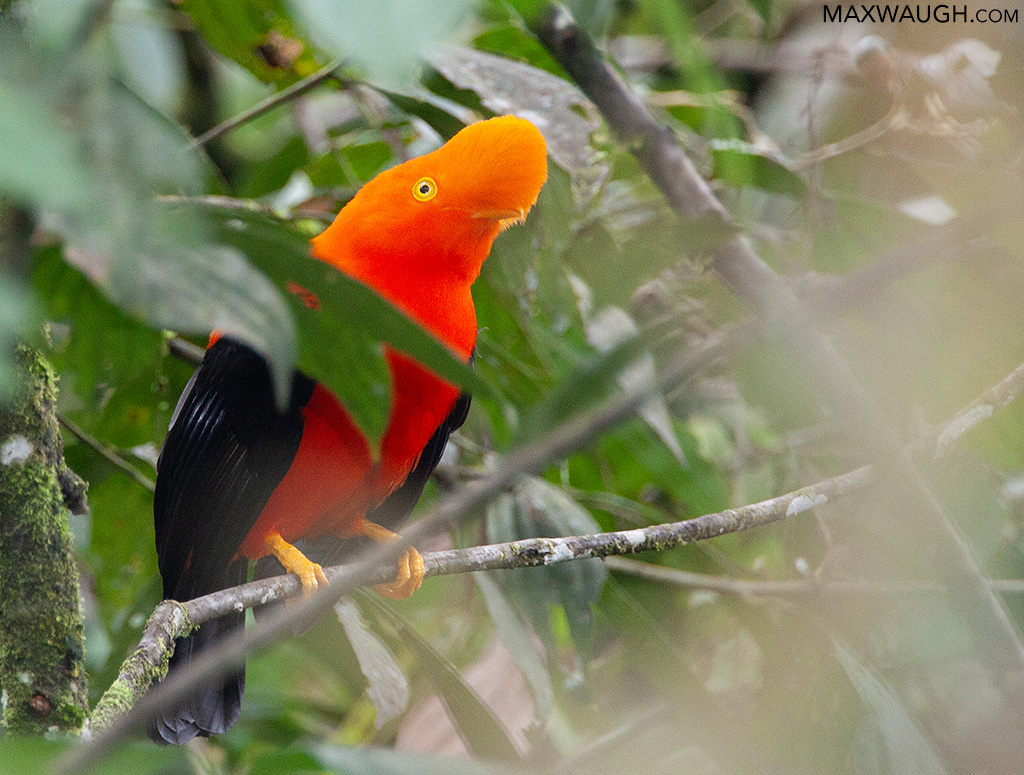
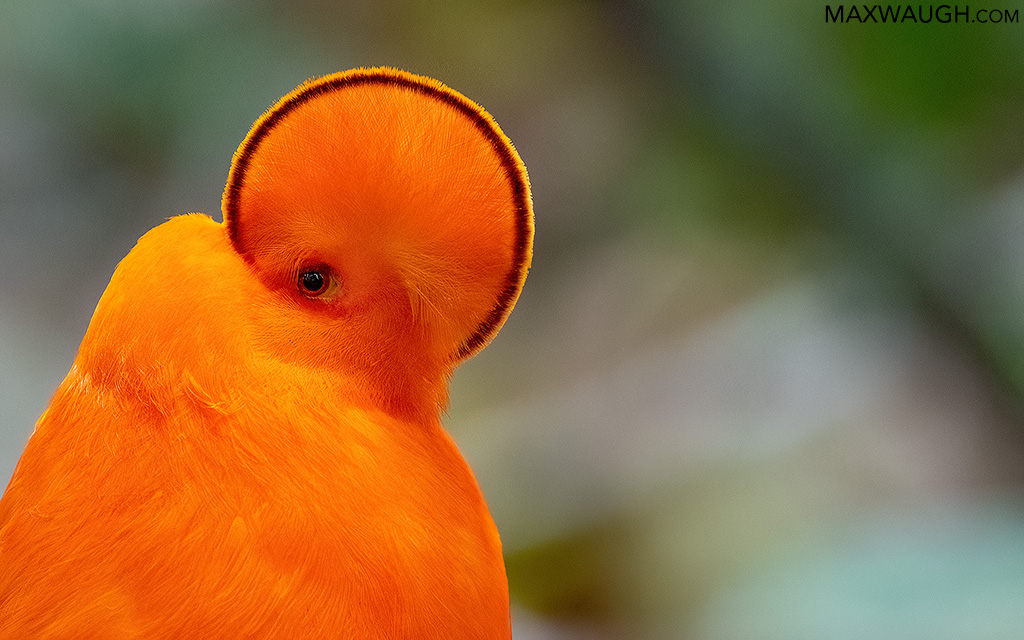
That’s a solid, slightly odd-looking bird, right? The Guianan blows it out of the water, in my opinion, and I finally got to see it in 2024. First, it’s even more obnoxiously orange. That’s a big win in my book. Next, the head crest is even wilder than the Andean crest. It’s not just a single round disk… it’s actually two, that splay out over this cotinga’s beak. When it’s in profile, you wonder where its face disappeared to. When it’s looking at you, it’s suddenly transformed into Wilford Brimley.
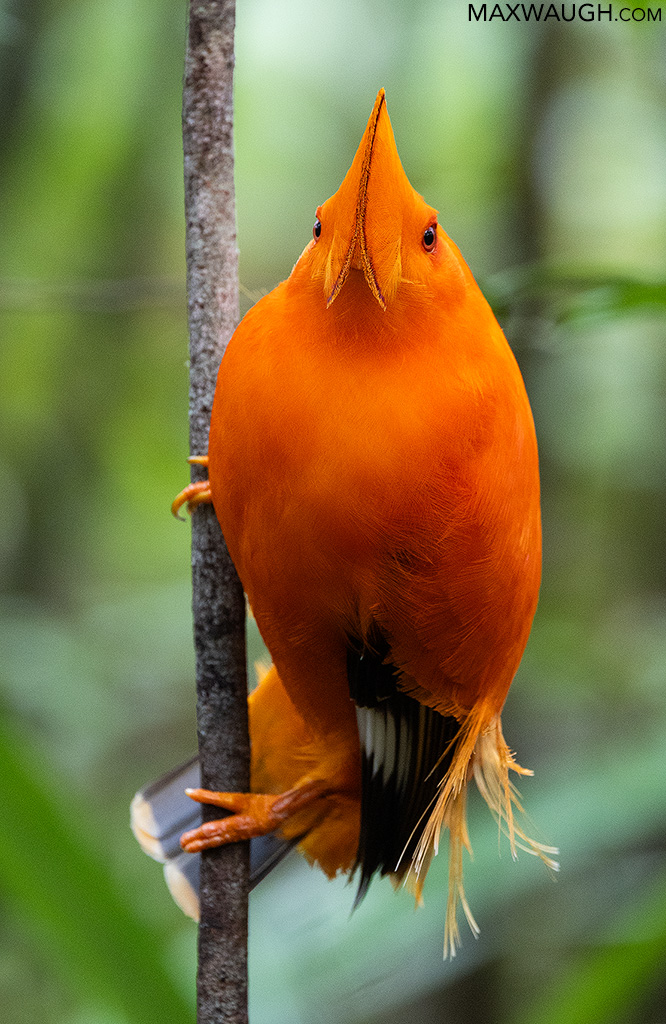
And don’t forget the tail! That wild, frizzy, wormy behind means this bird has some spice both coming and going.
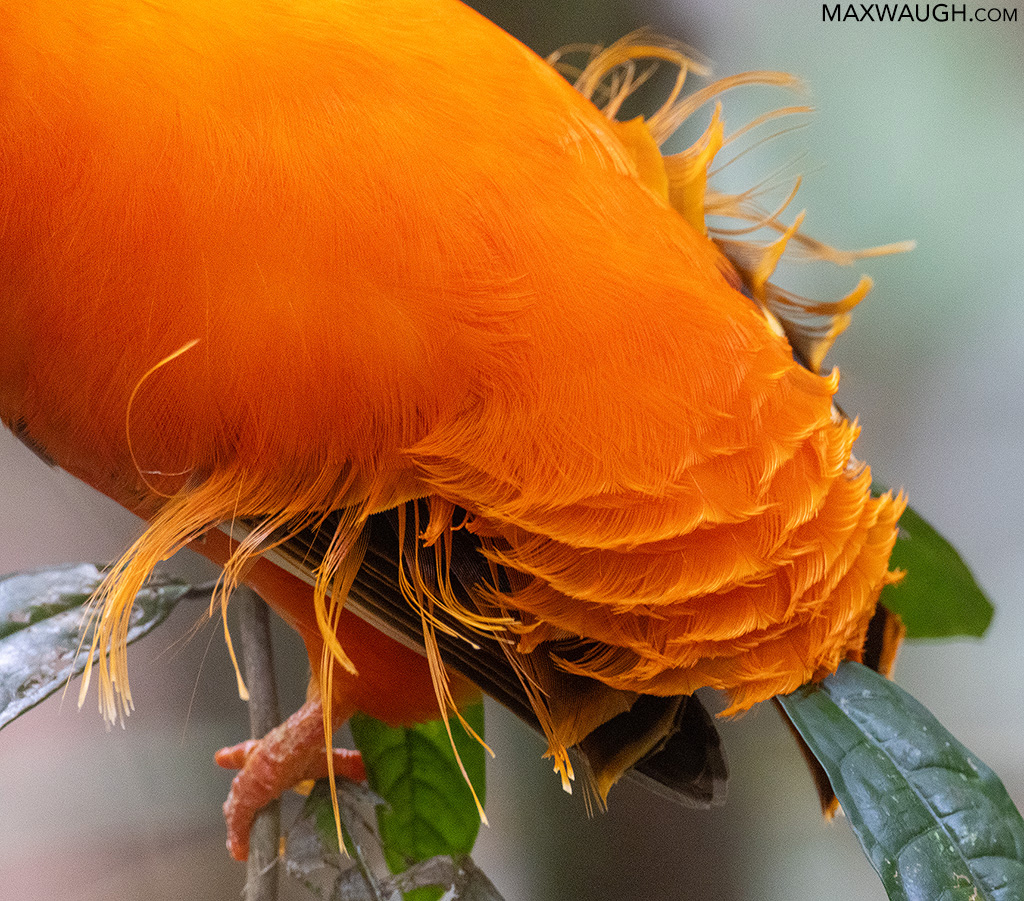
By the way, these birds are much bigger than you think. At first you think you’re seeing a neon orange raven (if I may use a recent subject for comparison), until you realize it can only be a raven that had an allergic reaction… or perhaps something else entirely.
2) Magellanic Woodpecker
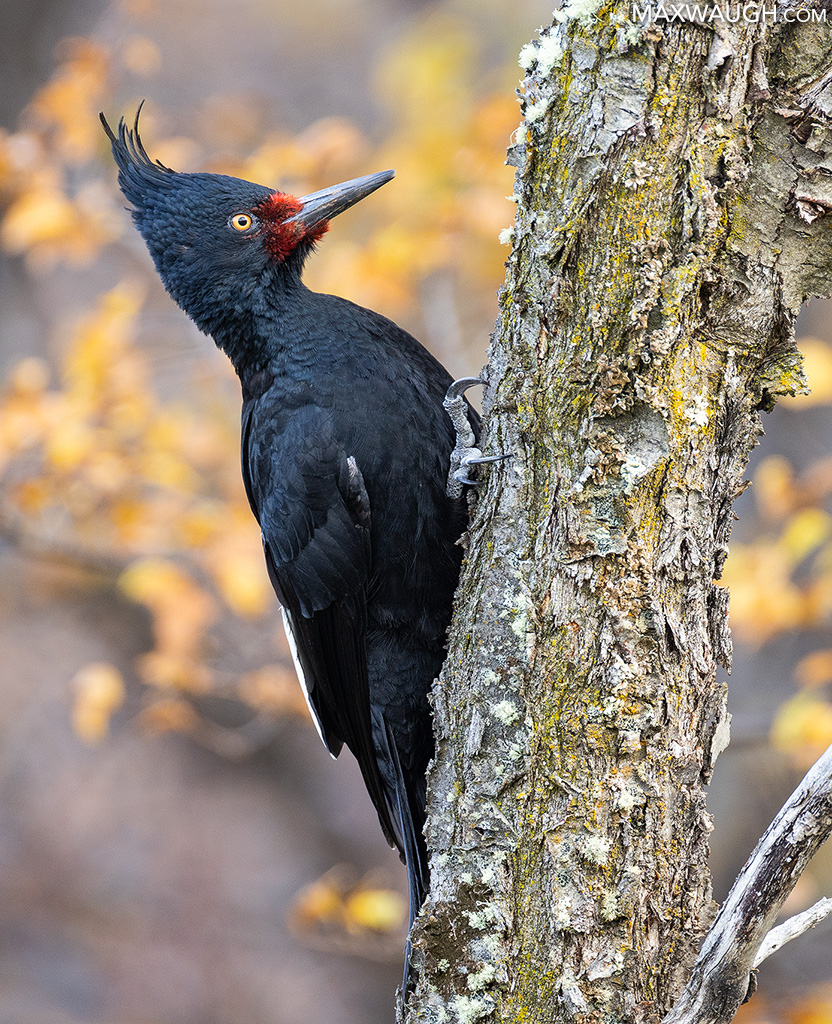
Unlike the Cock-of-the-rock, the Magellanic Woodpecker and I go way back. And unlike the Harlequin Duck, with which I mostly fawn over the males, in this case I’m all about the female of the species. In fact, I’ve never seen a male Magellanic Woodpecker (Update: that finally changed in 2025). You know, I’m sure they’re cool. It’s a very large woodpecker (bigger than our Pileated), and males sport the traditional red on their heads. Impressive, of course. But can we talk about how gorgeous the ladies are?
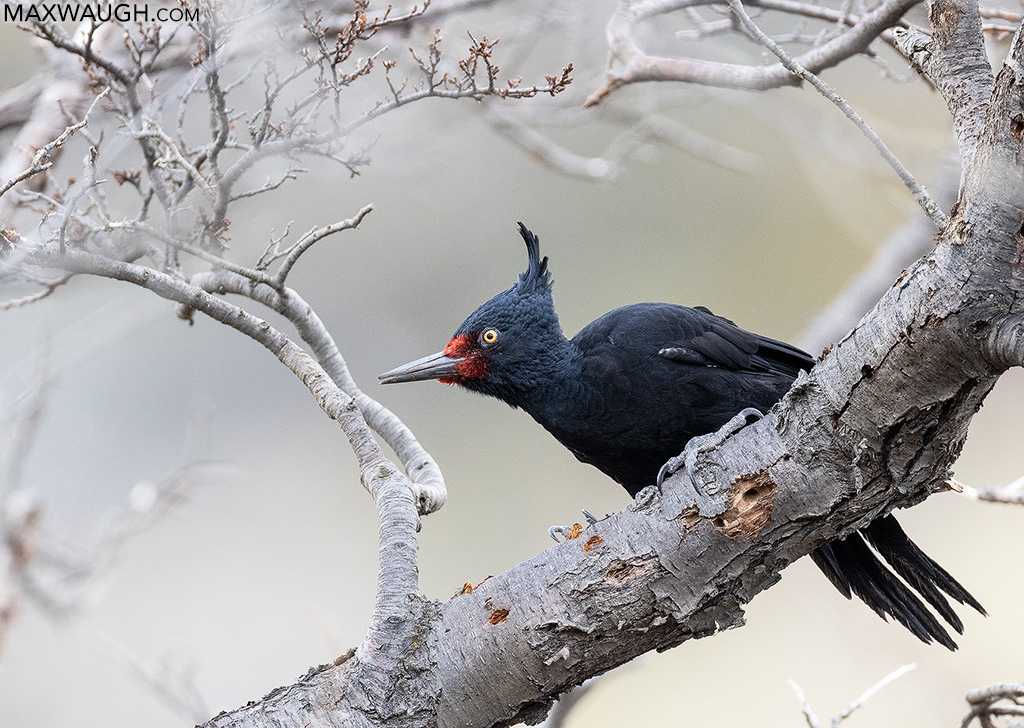
First, she’s jet black from tail to the tip of her crest, with the exception of some white on the wings. She sports a tiny bit of red at the base of her beak. But back to that crest… It’s so long! Longer than the male’s in fact.
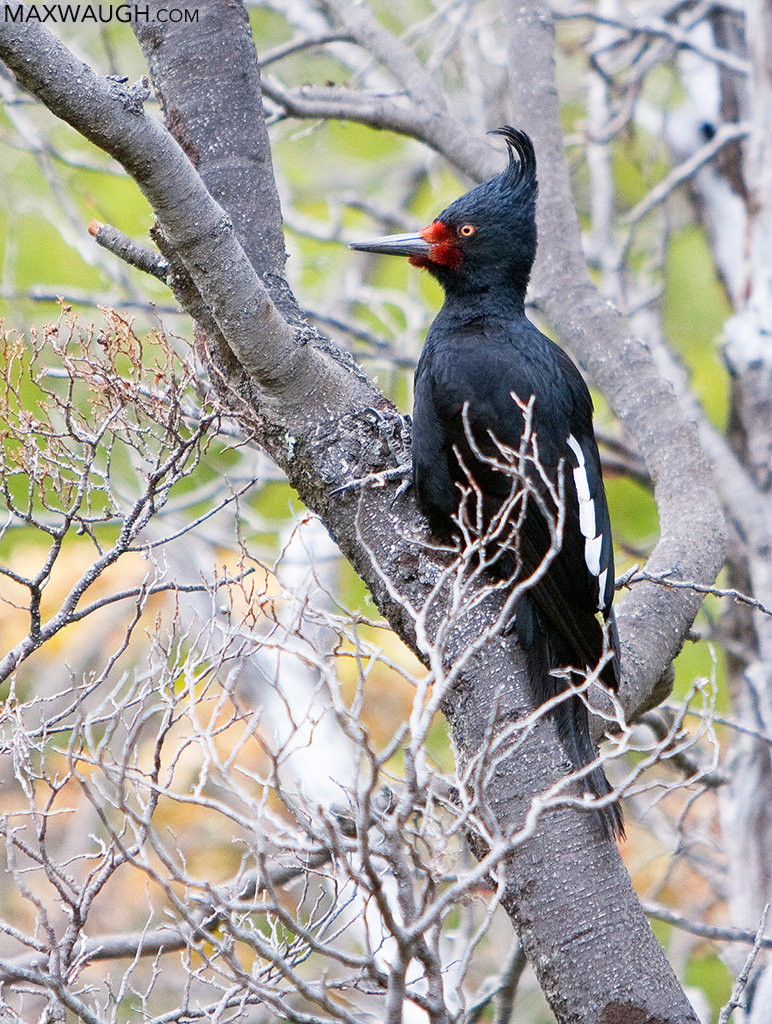
This is a true Woody Woodpecker style bird, except she’s wearing a ninja outfit. And of course, she’s a special one for me because I went ages between sightings. It took over thirteen years to see this bird a second time, so she not only ended up as one of my favorite sightings of 2023, but she also landed on the cover of my Woodpeckers calendar.
1) Great Gray Owl
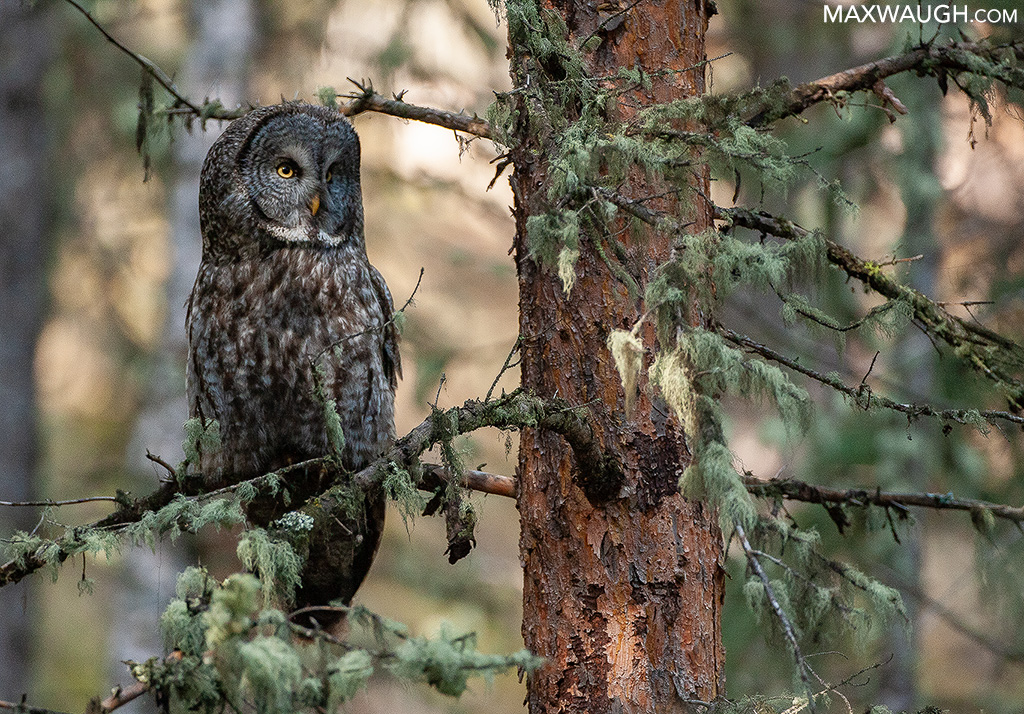
Here we are. Maybe some readers won’t be surprised, but I am surprised. Not that an owl is tops on my list, but that this one is. Great Grays are always special, and many people pursue opportunities to photograph them in the wild. Just this winter, there was an irruption that drew many photographers to Minnesota. Many of those people were seeing their first Great Grays. I was sad not to be in Minnesota… but mainly because I was longing for the Boreal Owls, which I’ve never seen and which were also irrupting.
Even at Number One on my overall bird list, I’m still not entirely convinced this is my favorite owl. It seems like such a cliché! However, when I think about all the encounters I’ve had with them, every single one has been memorable.

It’s not called a ghost for nothing. I talked about the mystery of owls. This one is huge, and yet in some ways is the most mysterious. At least, it carries itself that way. It’s three feet tall, yet I’ve walked right under them before without knowing they’re there. They blend into the gray pine trunks of Yellowstone like nobody’s business, and you either have to get lucky and catch one hunting along the edge of a meadow—perched lower than you think—or glimpse a giant silent shape gliding through a clearing.
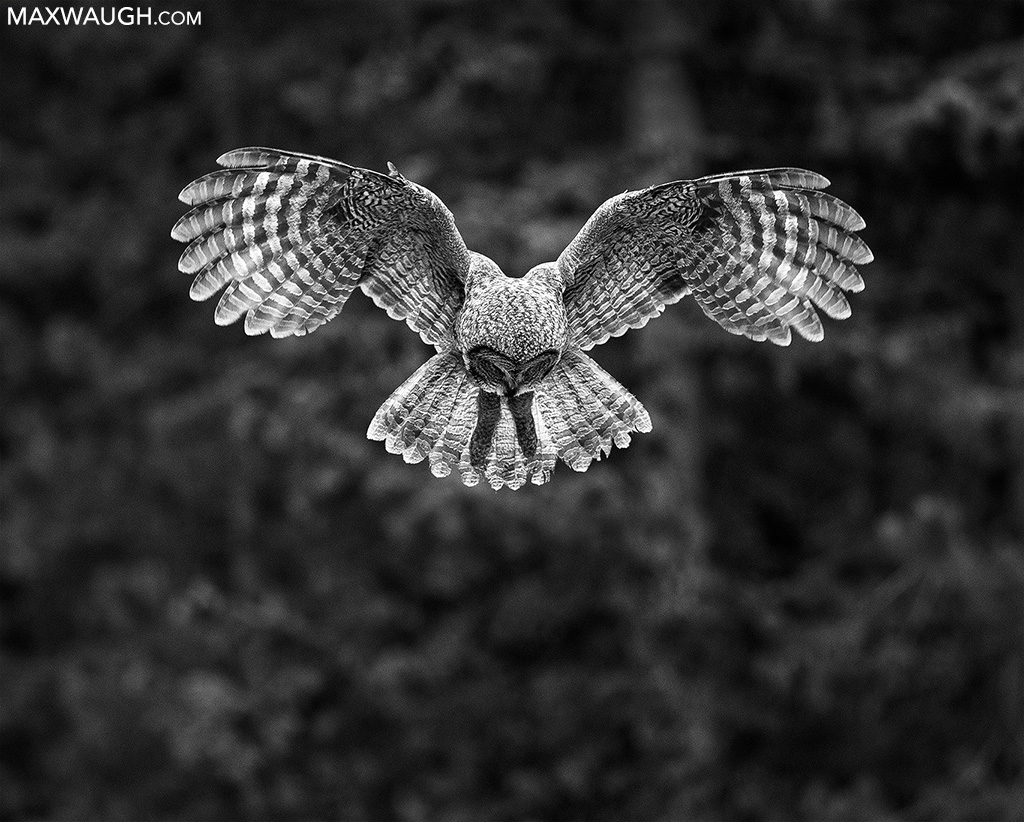
I wrote about them a few years ago (you can see a lot more photos in that piece), detailing some of my owl quests in Yellowstone. An owl search remains one of my favorite activities in the park. It’s an adventure, and despite the unnerving moments when I run into a bear during such outings (three times so far), the “hunt” remains fun and invigorating. The search for the Great Gray often surpasses the greatness of the bird itself for me.
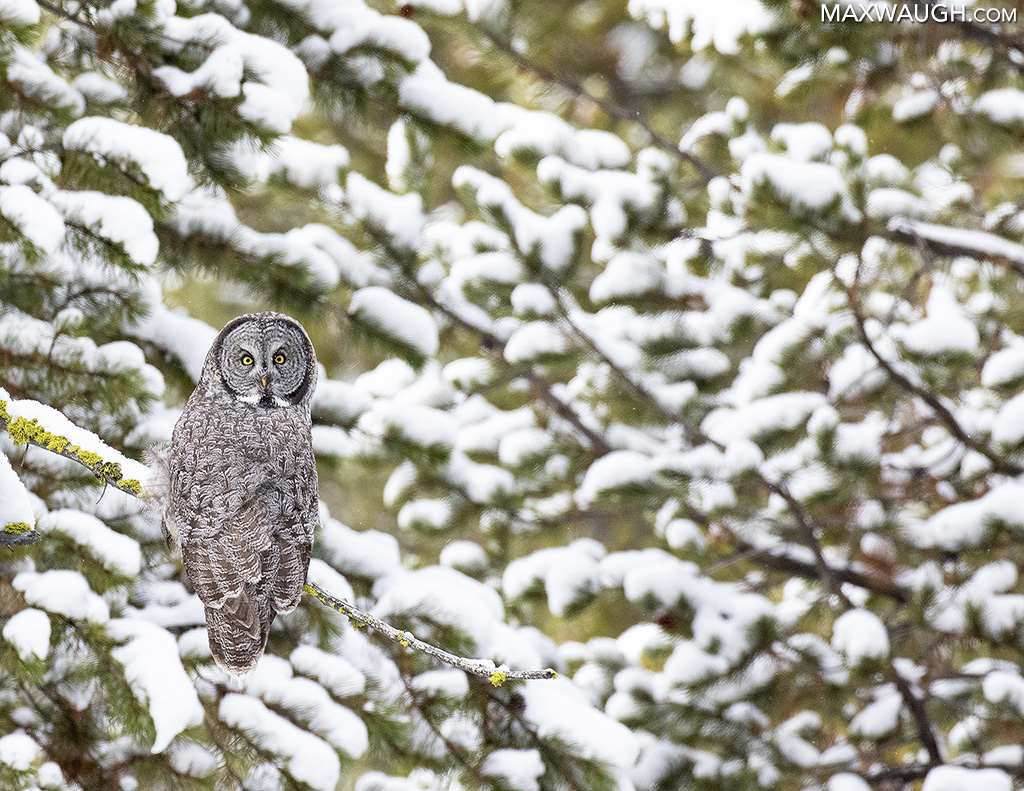
I’m still finding new ways to experience this species. This January, I just had my first ever winter encounter in Yellowstone with a Great Gray. Some day, I’d love to see a nesting family again. Regardless, this bird, more than any other, gets me out into the forest, tickles the nerves that generate hope and expectations, and amazes me every time it cares to reveal itself. For now, at least, it claims the top spot on my bird list.
Click here if you missed Part 1 of this list.
I don’t plan to update this list any time soon, but hopefully over the coming year or two I’ll discover more amazing birds that will make me rethink my rankings! How about you… do you have a Top Five or Top Ten in the avian world?
Other Birds of Note, in no particular order:
- Saddle-billed Stork
- Pied Kingfisher
- Long-crested Eagle
- Southern White-faced Owl
- Vulturine Guineafowl
- Grey-backed Camaroptera
- Ural Owl
- Lammergeier
- Inca Tern
- Turquoise-browed Motmot
- King Penguin
- Aplomado Falcon
- Capped Heron
- Sunbittern
- Scarlet Ibis
- Northern Saw-whet Owl


